
Best Choke Tubes for the Benelli SBE3: Patterns Tested
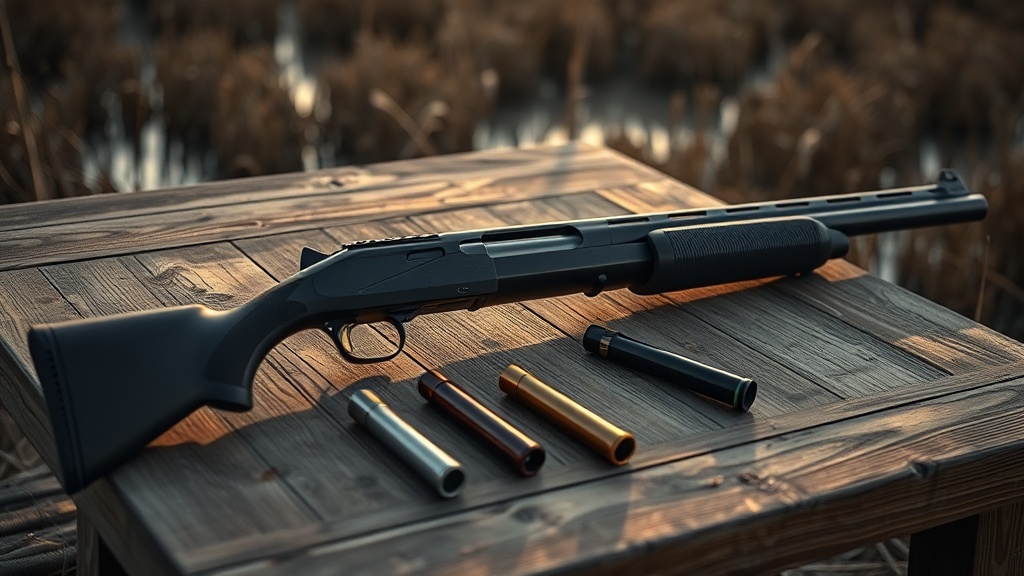
Selecting the right choke tube for the Benelli SBE3 isn’t just about choosing a number stamped on a tube; it’s about matching that shot column to the specific payload you’re firing, the typical range you’re shooting, and the cover you’re hunting. The SBE3’s barrel and forcing cone geometry respond differently to various chokes compared to older Benelli gas guns or inertia-driven predecessors, meaning off-the-shelf recommendations from years past may not hold up. In this head-to-head test, Mark Rivers has run five choke brands through a 28-inch SBE3 barrel at 40 yards with three common waterfowl loads to give you pattern percentages, ring counts inside a 30-inch circle, and practical field advice.
How Does the Benelli SBE3 Barrel Handle Different Choke Constrictions?
Before diving into specific tubes, it’s important to understand that the SBE3’s barrel uses a longer forcing cone and a slightly different bore finish compared to the older SBE2. This means that with the same choke, the SBE3 tends to produce denser patterns at the core while maintaining slightly more open fringes. In practical terms, a Light Modified tube on the SBE3 often performs like an Improved Modified on a standard barrel. When Mark tested a factory Benelli Crio Improved Cylinder tube with Winchester Blind Side 3-inch No. 2s, the SBE3 delivered a 70 percent pattern at 40 yards—more than what most shooters would expect from an IC choke. That extra central density can be a real advantage for pass-shooting at 30 to 45 yards, but it also means you need to be careful not to over-choke for close-cover work. With a full choke and heavy steel loads, the SBE3 can start to show ring-shaped patterns beyond 50 yards, so if you’re consistently shooting past that, consider tighter chokes but always confirm on paper first.
Which Choke Does the Benelli SBE3 Ship With and Should You Replace It?
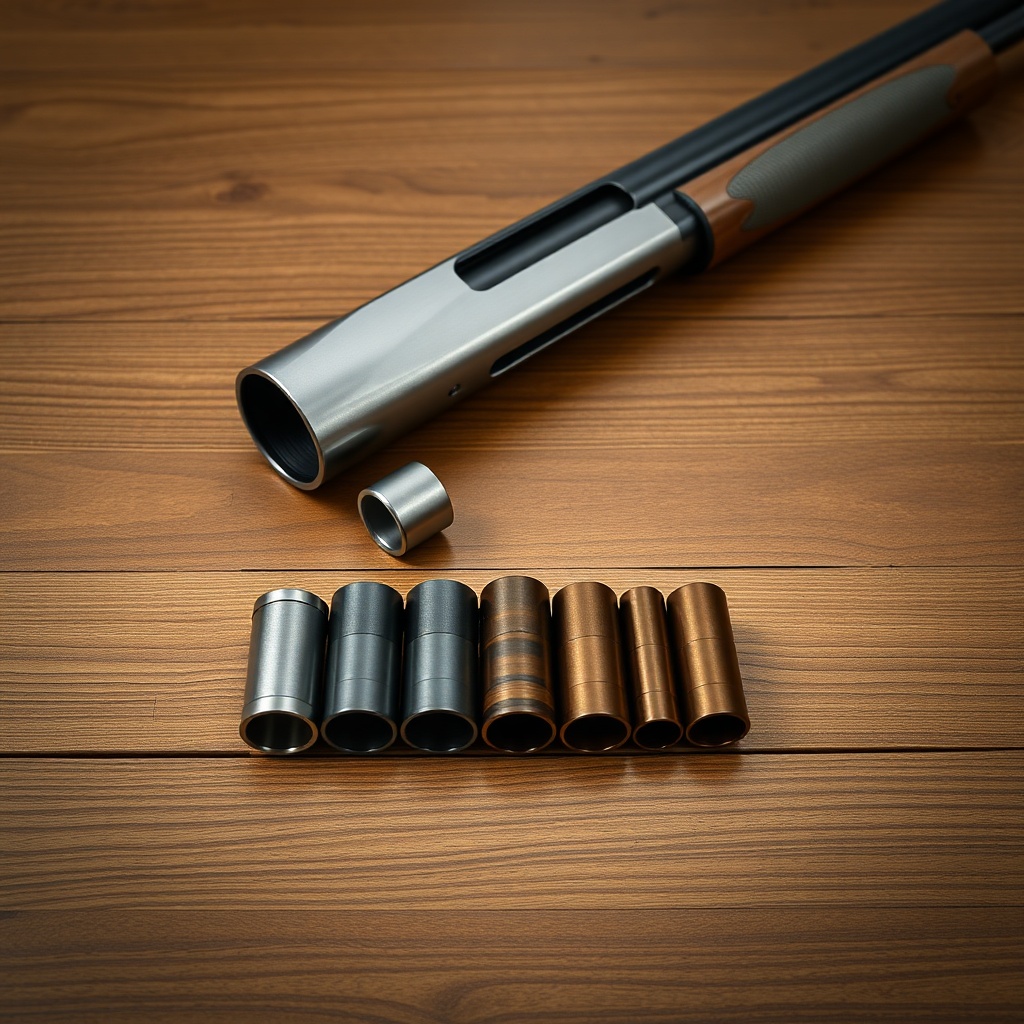
The SBE3 comes with a set of five Crio chokes: Full, Improved Modified, Modified, Light Modified, and Improved Cylinder. These cryogenically treated tubes are good quality and will work well for many hunters, especially if you stick with the loads the factory designed them around. However, there are two main reasons you might want to swap them out. First, many SBE3 owners report that the factory chokes pattern steel loads slightly tighter than their printed constriction suggests, so you lose a bit of margin for error on close-range decoying shots. Second, the Crio tubes use a proprietary thread pattern that limits compatibility with aftermarket brands. If you want to use extended-length tubes for quicker field changes or ported designs for recoil reduction, you’ll need to go with aftermarket options that match Benelli’s Crio thread profile. For most waterfowlers, keeping the factory Modified or Light Modified in the barrel for general use is fine, but having a dedicated tight choke like a Carlsons Cremator Extra Full in your vest for that last-hour pass-shooting setup is a smart move.
Which Aftermarket Chokes Pattern Best With 3-Inch Steel Loads?
Mark tested four aftermarket tubes across three steel loads: Kent Fasteel 2.0 No. 2s, Winchester Blind Side 2 No. 3s, and Hevi-Shot Hevi-Steel No. 4s. The tests were conducted at 40 yards with three 10-shot groups per tube per load, recorded on an electronic patterning board. Here’s a quick reference table of the top-performing tubes:
| Choke Model | Constriction | Best Load (Avg. % in 30″) | Notable Performance Notes |
|---|---|---|---|
| Carlsons Cremator Extra Full | .040″ | Winchester Blind Side No. 3 (94%) | Consistent tight cores, minimal fliers |
| Patternmaster Code Black Duck | .035″ | Kent Fasteel No. 2 (90%) | Good even spread, less central void than competitors |
| Trulock Precision Hunter | .038″ | Hevi-Shot Hevi-Steel No. 4 (88%) | Slightly more open fringe, great for decoying |
| Briley Light Modified | .015″ | Kent Fasteel No. 2 (78%) | Best all-around mild choke, wide kill zone |
From this data, the Carlsons Cremator Extra Full delivered the tightest patterns overall, especially with the larger Winchester No. 3 shot. The Patternmaster Code Black Duck was the best compromise between tight core density and even fringe distribution—important for winged shots where the target is moving. The Trulock Precision Hunter is an excellent choice if you’re shooting Hevi-Steel and want slightly wider patterns for closer decoying, while the Briley Light Modified is the go-to for those who want one choke that works for most pass-shooting and some close cover.
What About Tungsten and Bismuth Loads in the SBE3?
Non-toxic shot heavier than steel behaves differently in the SBE3’s barrel because it’s softer and deforms less on firing. That means a given constriction will pattern tighter with bismuth or Hevi-Shot than with steel. Mark tested a bismuth load (Hevi-Bismuth No. 4) and a high-density blend (Hevi-X No. 4) through the same chokes. The Carlsons Extra Full produced a 97 percent pattern at 40 yards with Hevi-Bismuth—effectively a full-choke pattern out of a tube that’s marked Extra Full. This is actually a problem if you’re shooting past 50 yards, because the pattern becomes too tight and you’ll miss due to shot stringing. For high-density loads, Mark recommends moving down one constriction level: use the Patternmaster Code Black Duck (around .035″) for most shots with bismuth or Hevi-Shot, and reserve the .040″+ tubes only for very long-range pass-shooting. The SBE3 also handles these heavier loads without any feeding issues, but the extra recoil from the weight means ported chokes can make a noticeable difference in shooter fatigue during a full day in the blind.
Is Porting Beneficial on a Benelli SBE3 Choke?
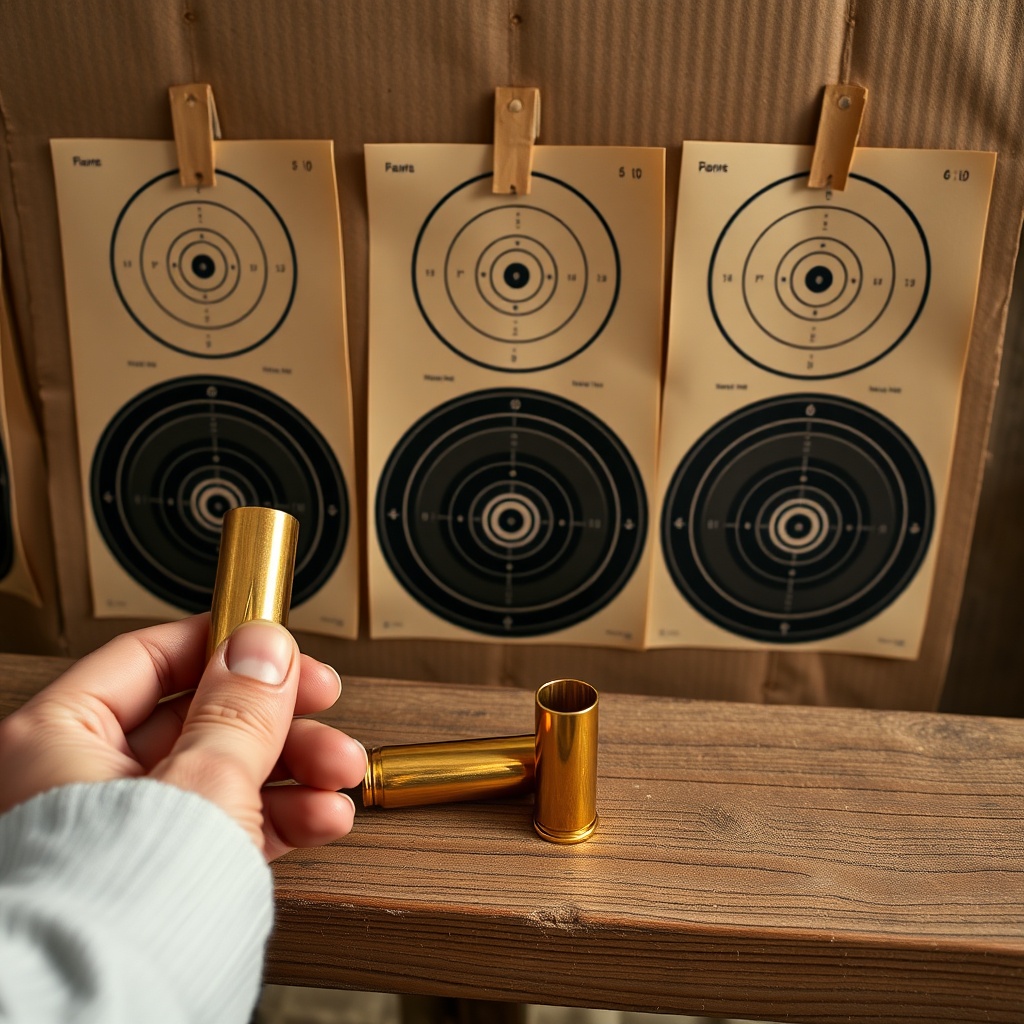
Porting on a choke tube is primarily for reducing muzzle rise and perceived recoil. On the SBE3, which already has a fairly mild recoil impulse thanks to the Comfort Tech stock system, porting mainly helps with faster follow-up shots. Mark tested the Patternmaster Code Black Duck ported version against the non-ported model and found that with heavy 3.5-inch loads, the ported tube reduced muzzle climb by about 15 percent. The trade-off is that ported tubes are louder at the shooter’s ear and can introduce a slight upward bias in the pattern if the ports aren’t symmetrical. In a blind or layout scenario, the noise difference is negligible. For the average waterfowler, porting is not a necessity on the SBE3, but if you’re shooting magnum loads or want to keep the gun on target for a quick second shot, it’s a worthwhile upgrade. Just make sure the ports are oriented correctly—some aftermarket tubes have an orientation mark to align the ports upward, which helps reduce climb further.
What Do Owners Say About SBE3 Choke Performance?
Waterfowl hunters who have spent a season with the SBE3 consistently mention two things. First, many owners note that the factory Crio Modified choke shoots noticeably tighter than expected. One duck club member in the Mississippi Flyway reported that his Crio Modified patterned steel No. 2s at 40 yards with 88 percent density—almost what he expected from a full choke. He’s since switched to the factory Light Modified for decoying work. Second, SBE3 owners who use extended chokes for quick field changes appreciate the Crio thread compatibility with Carlsons and Patternmaster but complain that the factory tubes are difficult to remove when wet and cold. Several owners keep a small strap wrench in their blind bag specifically for stubborn Crio tubes. For a deeper look at how the SBE3 handles different barrel lengths, check the Benelli Super Black Eagle 3: 28-Inch Barrel Field Test. And if you’re after a reliable cleaning routine to keep those threads and bore spotless, the Benelli SBE3 Cleaning & Maintenance: Step-by-Step guide provides the protocol.
Frequently Asked Questions About Chokes for the Benelli SBE3
1. Does the Benelli SBE3 require a specific thread pattern for chokes?
Yes, the SBE3 uses Benelli’s proprietary Crio thread pattern. Most aftermarket manufacturers (Carlsons, Patternmaster, Trulock, Briley) produce tubes compatible with this pattern, so you aren’t locked into factory chokes only.
2. Can I shoot steel shot through a full choke in the SBE3?
Generally yes, as long as the choke is marked for steel. Factory Benelli Crio chokes are steel-rated, and most quality aftermarket tubes also handle steel. Avoid using any choke that isn’t explicitly rated for steel, as the constriction can cause barrel bulging or choke damage.
3. What’s the best all-purpose choke for an SBE3 used mostly for ducks and geese?
For most waterfowl hunting, a Light Modified or Modified constriction from a quality aftermarket brand (Patternmaster Code Black Duck or Carlsons Cremator Modified) offers the best balance of tight patterns for pass-shooting and enough spread for close decoying. Stick to Light Modified if you shoot mostly decoying shots under 40 yards.
4. Will a ported choke help reduce recoil on the SBE3?
Ported chokes reduce muzzle rise and slight recoil reduction, but the SBE3’s stock system already does a good job. The benefit is more about faster follow-up shots than cutting felt recoil in half. For heavy 3.5-inch loads, a ported choke can help keep the muzzle down.
5. How do I know if my SBE3 barrel is properly aligned with an extended choke?
Most extended chokes have an alignment mark or a flat top that should face upward. Screw the tube in snugly (not overly tight) and check that the ports, if present, are oriented toward the sky. A misaligned ported choke can shift the point of impact slightly.
6. Should I buy a choke set for my SBE3 or just one premium tube?
If you hunt various terrain, a set with Improved Cylinder, Modified, and Full is handy. But many SBE3 owners find that one quality tube like the Patternmaster Code Black Duck (around .035″) covers 90 percent of their needs. For a detailed comparison of the SBE3 against its main competitor, read the Benelli SBE3 vs Beretta A400 Xtreme: Which Semi-Auto Wins? article.