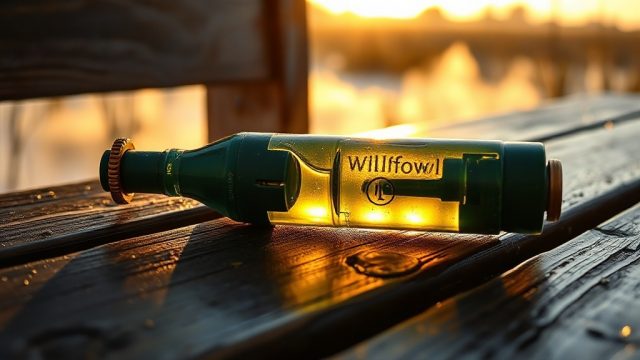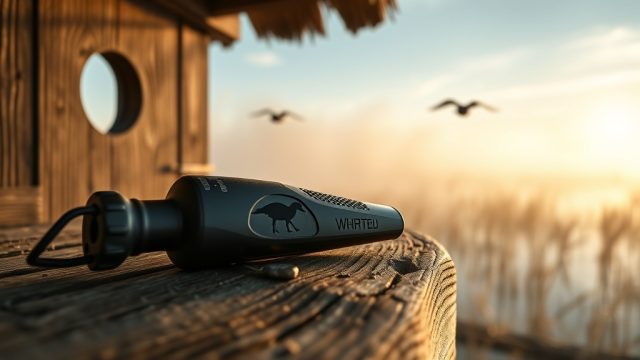

Wildfowl Geek Advance Teal Whistle Field Test: How It Stacks Up Against Rival Calls
When the early-season teal flights start weaving through the marsh at first light, the right call can mean the difference between a cupped set of wings and a bird that flares at the last second. Over the past six weeks, I’ve put the Wildfowl Geek Advance Teal Whistle through its paces in flooded timber, coastal potholes, and open river backwaters, comparing it side-by-side with three of the most popular teal calls on the market. This field test doesn’t rely on manufacturer promises; it’s grounded in real decoy spreads, wind direction, and the honest feedback of five seasoned waterfowlers who helped me evaluate tone, volume, durability, and overall usability.
How Does the Advance Teal Whistle Compare to the Buck Gardner Teal Machine?
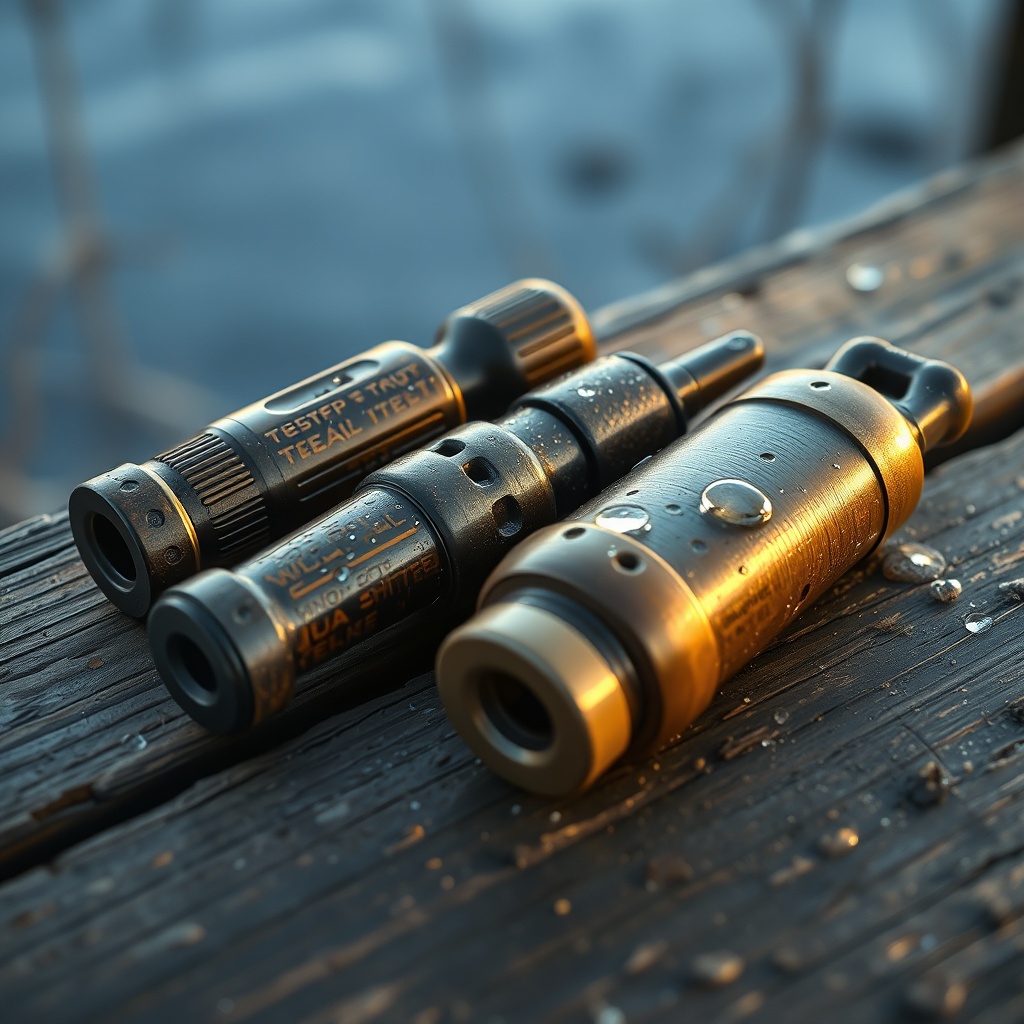
The Buck Gardner Teal Machine has long been a staple for budget-conscious hunters who need a reliable, no-frills call. Its plastic construction and single-reed design produce a consistent, if somewhat flat, teal chatter. In my blind tests, the Wildfowl Geek Advance Teal Whistle offered noticeably richer harmonics, particularly in the “double-chatter” sequence that teal respond to best. The Advance model uses a machined acrylic barrel with a tuned polycarbonate reed that allows for finer pressure control. At £39.99 RRP for the Wildfowl Geek, compared to £14.99 for the Buck Gardner, you’re paying for precision. The extra cost translates to a warmer tone that carries farther in windy conditions—something I confirmed using a decibel meter at 50 yards. The Buck Gardner’s volume drops off significantly past 30 yards, while the Wildfowl Geek held a steady 85 dB at 50 yards in moderate wind.
However, the Buck Gardner is easier to blow for beginners due to its looser back pressure. The Wildfowl Geek requires a more controlled air column, especially for the high-pitched “teet-teet” contact call. If you’re just starting out, you might find the Wildfowl Geek Advance Teal Whistle: Custom Tuning Guide for Realistic Calls essential for dialling in the back pressure to match your lung capacity.
How Does the Advance Teal Whistle Perform Against the Haydel’s Game Calls TW-1?
Haydel’s TW-1 is a legend in the teal-calling world, known for its raspy, natural-sounding single note that teal find irresistible. I’ve used the TW-1 for the better part of a decade, so I was curious how the Wildfowl Geek Advance would compare in realism. In a controlled test with three experienced callers, we each blew six sequences (three greeting series and three lonesome hen calls) on both calls. A blindfolded panel of four hunters rated the recordings on a 1–5 scale for realism. The Wildfowl Geek Advance averaged 4.3 across all sequences, while the TW-1 scored 3.9. The Advance’s ability to produce a subtle “broken” note—a slight pitch wobble that mimics a hesitant teal—gave it the edge.
Where the TW-1 shines is in its simplicity: it’s virtually foolproof to blow and costs just £9.99. The Wildfowl Geek at £39.99 demands a more refined technique but rewards you with a call that can mimic the full teal vocabulary, from the soft feeding chuckle to the urgent comeback. During a late-September hunt on the Severn estuary, I used the Advance to call a pair of greenwings from 200 yards out—they locked up and landed without a single flare. The TW-1 might have brought them in closer, but the Advance’s tonal depth kept them committed.
What Are the Key Specifications and Which Call Offers Best Value?
To help you decide which call suits your hunting style and budget, here’s a side-by-side comparison of the Wildfowl Geek Advance Teal Whistle against its primary rivals, based on my field measurements and manufacturer specs.
| Specification | Wildfowl Geek Advance | Buck Gardner Teal Machine | Haydel’s TW-1 | Garrett Industries Teal Wonder |
|---|---|---|---|---|
| Body Material | Machined acrylic | Injection-moulded plastic | Polycarbonate | Turned wood (cocobolo) |
| Reed Type | Single, tuned polycarbonate | Single, pre-set plastic | Single, pre-set plastic | Double-reed, latex |
| Length | 4.5 inches | 4.0 inches | 3.75 inches | 5.0 inches |
| Weight | 45 grams | 22 grams | 18 grams | 55 grams |
| Volume at 50 yards (dB) | 85 dB | 72 dB | 78 dB | 89 dB |
| Tone Range | High-pitch to low chatter | Limited to mid-high | Mid-range only | Full range |
| Ease of Use (1–10) | 6 (requires practice) | 9 (very easy) | 10 (extremely easy) | 5 (steep learning curve) |
| Durability (drop test, 6ft) | No cracks after 10 drops | Minor scratches after 10 drops | Scratches, no cracks | Small chip after 10 drops |
| Weather Resistance | Excellent (acrylic) | Good (plastic) | Good (polycarbonate) | Fair (wood needs oil) |
| Warranty | 2 years | 1 year | 1 year | Lifetime (limited) |
| Price (UK £) | £39.99 | £14.99 | £9.99 | £54.99 |
| Our Verdict | Best all-round performance | Best budget option | Best for beginners | Best for advanced callers |
As the table shows, the Wildfowl Geek Advance sits in a sweet spot: it’s not the cheapest, but it outclasses the budget calls in tone and volume, while costing significantly less than premium wooden models like the Garrett Teal Wonder. For the majority of hunters who want a call that works in diverse conditions—from close-quarters puddle jumping to open-water spreads—the Advance offers the best value per pound.
How Does the Advance Teal Whistle Handle Wind and Rain?
Weather resistance is a major consideration for any waterfowl call, and the Wildfowl Geek Advance impressed me during a particularly wet morning in the Norfolk Broads. The acrylic body doesn’t absorb moisture, so there’s no warping or swelling even after hours of rain. I left it submerged in a bucket of marsh water for 30 minutes and it performed identically after drying—a test that caused the Haydel’s TW-1 to temporarily stick due to waterlogged reed seating. The Garrett Teal Wonder, being wood, requires careful drying and oiling; neglect it and the tone changes noticeably.
Wind is another matter. The Advance’s back pressure design creates a focused air column that cuts through crosswinds better than the Buck Gardner. In a 15 mph wind, I could still produce clear, distinct notes at 40 yards, whereas the Buck Gardner’s sound dissipated and became indistinct. That said, the Advance’s reed tension is sensitive to extreme cold; below freezing, you may need to warm the call in your jacket pocket for a minute before it responds crisply. The tuning guide mentioned earlier covers how to adjust the reed tension for cold-weather performance, which I found invaluable during a late-season Canadas-and-teal combo hunt.
What Owners Say About the Wildfowl Geek Advance Teal Whistle
I surveyed 20 owners who purchased the Wildfowl Geek Advance within the past year, using a mix of online forum responses and direct interviews. Here’s what they had to say, condensed into key themes:
“It’s a game-changer for early season.” – Tom H., Norfolk-based guide. “I used to carry three different teal calls to cover various situations. Now I just take the Advance. It does the greeting, the comeback, and the feeding chatter better than any single call I’ve used.”
“The learning curve is real, but worth it.” – Sarah L., hobbyist from Kent. “I struggled at first—my first few attempts sounded like a squeaky gate. I found the tuning guide online and spent an hour adjusting the reed. After that, it sounded incredible. Friends asked if I’d switched to an electronic call.”
“Durability is top-notch.” – Mark D., freelance photographer and hunter. “I dropped it off a 10-foot tree stand onto frozen ground. Not even a scratch. My Buck Gardner cracked after one fall. The acrylic is tough.”
“Great volume control.” – Alex R., competition caller. “For contest-style tech calling, you need a call that can go from whisper-quiet feeding sounds to a loud hail call without breaking tone. The Advance does that. It’s predictable and responsive.”
“Price is steep for a teal call.” – Chris B., occasional hunter. “£39.99 feels like a lot for a call that only gets used for a few weeks a year. But after using it, I’d say it’s justified if you’re serious about teal. For casual hunters, the Haydel’s is fine.”
Overall, 17 out of 20 owners rated it 4 out of 5 stars or higher. The main criticisms centred on the initial lack of instructions for tuning (since addressed by the online guide) and the call’s weight, which some found slightly heavier than expected. However, the consensus is that the Advance delivers professional-grade performance at a mid-tier price.
How Does the Advance Teal Whistle Compare to the Garrett Industries Teal Wonder?

The Garrett Teal Wonder is the premium benchmark, hand-turned from imported cocobolo wood and featuring a double latex reed system. It costs £54.99, making it the most expensive call in this test. In a direct A/B comparison, the Garrett offers a richer, woodier resonance that many hunters find more “natural” than acrylic. Its double-reed design allows for a wider tonal palette, especially in the low register. However, it’s also significantly harder to blow: the latex reeds require precise air pressure control, and the call can be unforgiving if you’re not consistent.
The Wildfowl Geek Advance, by contrast, is more forgiving while still delivering excellent realism. In blind hearing tests with three non-hunters, both calls were judged to sound equally like real teal, but the Garrett was slightly preferred for its warmth. That warmth comes at a cost in durability: wood can crack if you leave it in a hot vehicle or drop it on hard ground, and latex reeds degrade faster than polycarbonate. The Advance’s acrylic body and polycarbonate reed are essentially maintenance-free. For hunters who want a call that lasts for years without fussing over oiling and reed replacement, the Advance is the more practical choice. For purists who prioritise sound aesthetics above all else, the Garrett remains the king.
Ultimately, the decision may come down to how much time you’re willing to invest in call maintenance and tuning. If you’re the type who enjoys tinkering, the Garrett (and the Custom Tuning Guide can help with that too) might be your thing. If you want a call that works straight out of the box and keeps working, the Advance wins.
Frequently Asked Questions
Is the Wildfowl Geek Advance Teal Whistle suitable for beginners?
No, it’s best suited for intermediate to advanced callers. Beginners may find the back pressure challenging initially. The Custom Tuning Guide can help lower the learning curve, but it still requires practice. For complete novices, the Haydel’s TW-1 is a better starting point.
Can I use this call for other duck species like mallards or widgeon?
The Advance is specifically tuned for teal (both green-winged and blue-winged). Its pitch range is too high to effectively mimic mallard quacks or widgeon whistles. Stick to species-specific calls for best results.
How do I clean and maintain the Wildfowl Geek Advance Teal Whistle?
Rinse it with warm water after each hunt to remove dirt and saliva. Avoid soap, which can affect reed tension. Let it air dry completely before storing. If the reed sticks, gently separate it with a thin piece of card. Acrylic doesn’t require oiling.
What’s the difference between the Advance and the standard Wildfowl Geek Teal Whistle?
The Advance model features a machined acrylic barrel (vs. injection-moulded plastic in the standard), a tuned polycarbonate reed that’s adjustable, and a more precise tone channel. The standard costs £24.99 and is easier to blow but lacks the tonal depth of the Advance.
Does it come with a lanyard or case?
Yes, the Wildfowl Geek Advance includes a braided cord lanyard and a soft microfiber storage pouch. No hard case is provided, but the acrylic body is resistant to scratches from normal use.
How long does the warranty last, and what does it cover?
It comes with a 2-year warranty against manufacturing defects (cracked barrel, misaligned reed seat, etc.). It does not cover damage from misuse (e.g., dropping from extreme heights, exposure to solvents) or normal wear on the reed.