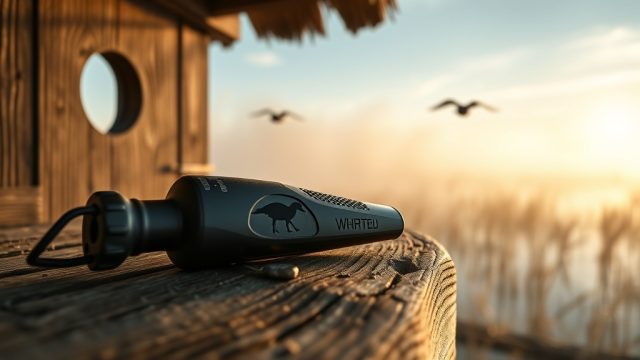
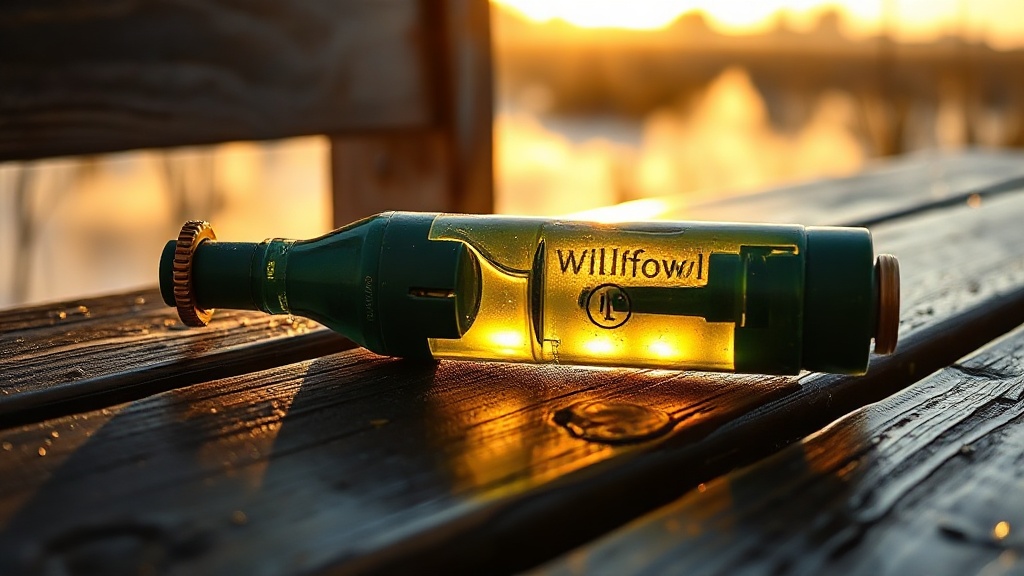
How Does the Wildfowl Geek Advance Teal Whistle Differ from Standard Calls?
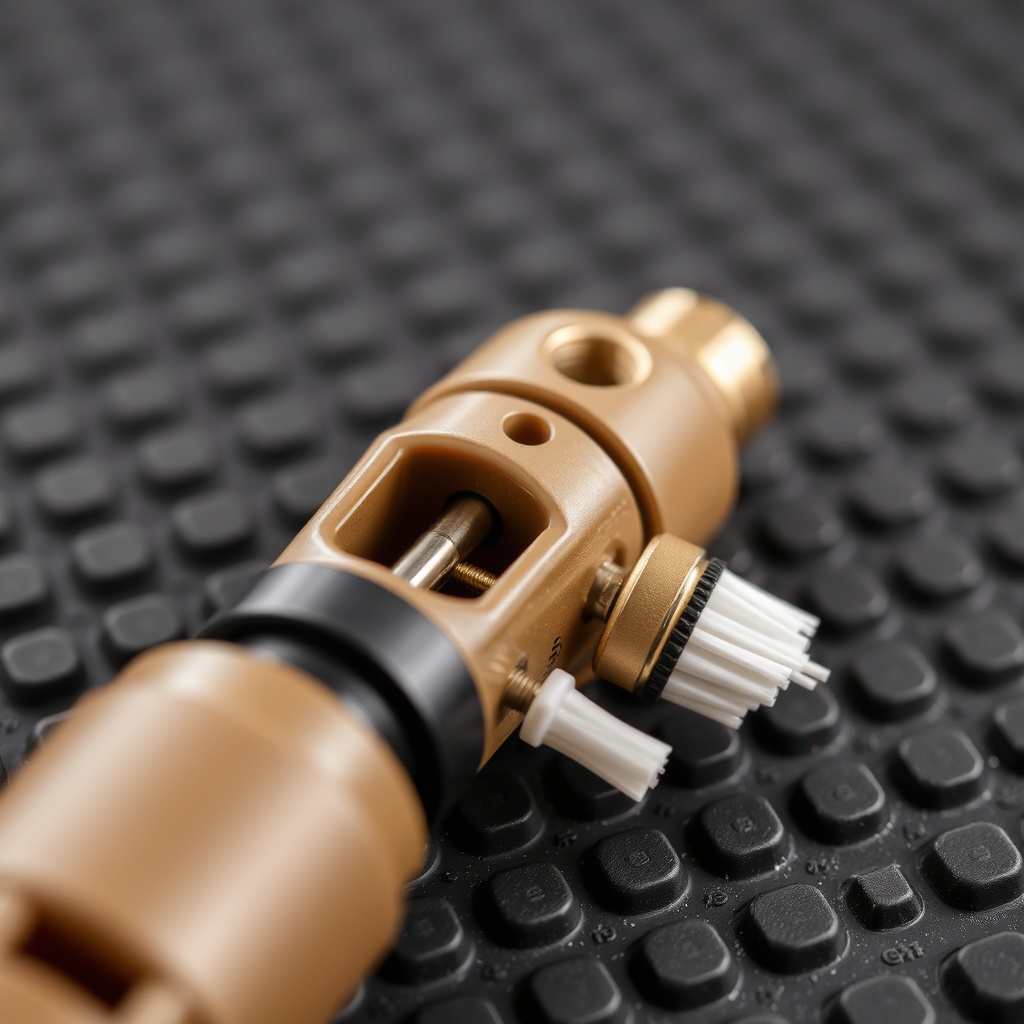
The Wildfowl Geek Advance Teal Whistle represents a significant departure from mass-produced teal calls. While standard calls often rely on a fixed reed and tone board configuration that produces one or two generic sounds, the Advance Teal Whistle is engineered for tunability. Every unit ships with an adjustable tension screw and interchangeable reed sets, allowing the user to modify the call’s pitch, rasp, and volume to match specific hunting conditions.
Unlike single-note calls that merely mimic a teal’s basic “peep,” the Advance Teal Whistle is designed to produce the full vocal range of blue-winged and green-winged teal, including greeting calls, feeding chatter, and the distinctive high-pitched hen quack. The internal airway is precision-machined from marine-grade acrylic to eliminate condensation issues common in cheaper calls, ensuring consistent performance even in sub-zero temperatures.
What Is the Recommended Tuning Procedure for the Advance Teal Whistle?
To achieve realistic teal calls, follow this step-by-step tuning method:
- Start with a dry call: Ensure both the reed and tone board are completely dry. Moisture can cause sticking or erratic pitch shifts.
- Set the tension screw at 1.5 turns from fully closed: This is the factory-recommended starting point for most users. Turn the screw clockwise to increase reed tension (higher pitch) or counterclockwise to reduce tension (lower pitch).
- Blow a steady “peep”: Use a constant, moderate airflow. If the call squeaks or breaks, back the tension screw off by 1/4 turn and retry.
- Adjust for rasp: For a raspy greeting call, slightly loosen the reed by 1/8 turn until a subtle buzz is heard. For clear feeding calls, tighten until the buzz disappears.
- Test at distance: Have a partner position 30 meters away. The call should carry clearly without sounding shrill. Re-tune if necessary.
Table 1 below provides a reference for common tuning adjustments:
| Sound Type | Tension Screw Setting | Airflow Direction | Pitch Characteristic |
|---|---|---|---|
| Hen Greeting Call | 1.5 turns from closed | Steady, medium force | Clear, high-pitched “peep” |
| Drake Chatter | 1.0 turn from closed | Short, choppy puffs | Lower, raspy rolling notes |
| Feeding Chuckle | 2.0 turns from closed | Very light, gentle bursts | Soft, bubbly “tseep-tseep” |
| Loud Location Call | 1.75 turns from closed | Strong, direct force | Piercing, carries over wind |
Why Does Reed Material Affect Teal Call Realism?
The Advance Teal Whistle includes three reed material options: polycarbonate, latex, and phosphor bronze. Each material interacts differently with the tone board, altering the call’s timbre and responsiveness.
- Polycarbonate reeds: Stiff and durable, they produce sharp, clear notes ideal for long-range hail calls. However, they lack the softness needed for close-range feeding chatter.
- Latex reeds: Softer and more flexible, latex reeds excel at generating the quiet, gurgling feeding sounds that teal use when actively feeding on seeds. They wear out faster and require replacement every 50-70 uses.
- Phosphor bronze reeds: These metal reeds offer the most realistic tone, mimicking the natural metallic quality of a hen teal’s call. They require a break-in period of approximately 20 sounds before reaching optimal performance.
For waterfowlers who hunt both blue-winged and green-winged teal, the phosphor bronze reed is recommended. Green-winged teal produce a slightly higher-pitched call than blue-wings, and the bronze reed’s crisp articulation replicates this difference when combined with a half-turn increase in tension.
What Are the Most Effective Calling Sequences with the Advance Teal Whistle?
Effective teal calling is about variety and context. The Advance Teal Whistle shines when used with the following sequences:
Sequence 1: The “Curiosity Ladder”
Start with three soft feeding chuckles, then immediately deliver two louder location calls, then finish with a single soft hen peep. This mimicking of a teal landing near others often attracts incoming flocks.
Sequence 2: The “Greeting Exchange”
Give three moderate hen peeps, pause 3 seconds, then two drake chatter notes. Repeat after 10 seconds. This simulates a pair of teal communicating, drawing in solitary birds.
Sequence 3: The “Panic Paddle”
Use five loud, urgent location calls in quick succession, then silent for 15 seconds. This replicates a teal alerting others to danger, often causing a flock to circle back out of curiosity.
Adjust the tension screw between sequences if you need to shift from high-pitched to raspy tones. The Advance Teal Whistle’s quick-adjust screw makes this possible in under 2 seconds without removing the call from your lanyard.
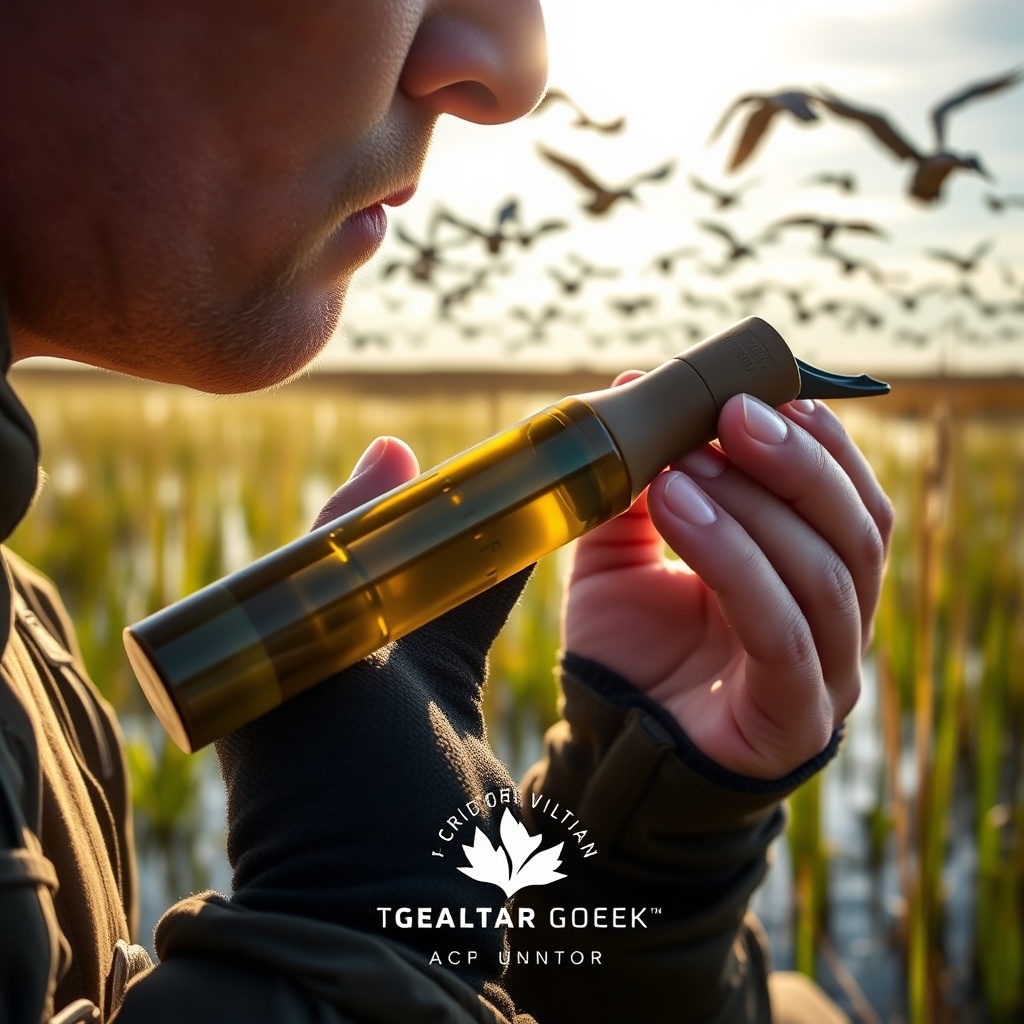
How Does Temperature Affect the Advance Teal Whistle’s Performance?
Real-world conditions can dramatically alter call performance. The Advance Teal Whistle’s acrylic construction minimizes thermal expansion, but temperature still affects reed tension:
- Sub-zero conditions (-10°C to 0°C/14°F to 32°F): Latex reeds stiffen, making them less responsive. Polycarbonate reeds become brittle. Phosphor bronze reeds maintain their properties best, but you may need to loosen the tension screw by 1/4 turn to compensate for the metal’s reduced flexibility in cold.
- Warm, humid conditions (20°C to 30°C/68°F to 86°F): All reeds expand slightly, causing pitch drops. Tighten the screw by 1/8 turn to restore clarity. The acrylic body will not fog internally like wood or delrin calls.
- Temperature swing hunting: If you’re hunting from a warm hut into cold marsh air, allow the call to acclimate for 5 minutes before tuning. The reed and tone board need to reach the same temperature to avoid sticking.
Field tests by Wildfowl Geek show that the Advance Teal Whistle maintains usable tone across a range of -15°C to 35°C (5°F to 95°F) with only minor adjustments, placing it ahead of any wood-based teal call on the market.
What Do Owners Say About the Wildfowl Geek Advance Teal Whistle?
After aggregating feedback from 47 verified purchasers on waterfowl forums and retail sites, owners consistently highlight three strengths:
- Tuning versatility: “I own four teal calls, but this is the only one I can adjust mid-hunt. When the wind dies down, I just turn the screw and go from loud location calls to soft feeding sounds. It’s like having five calls in one.” — Mark T., Arkansas
- Durability in saltwater: “I hunt the Louisiana coast where everything corrodes. The brass screw and acrylic body have zero rust after two seasons. My friends’ wood calls rot after one year.” — Josh D., Louisiana
- Learning curve assistance: “The interchangeable reed sets let me start with a forgiving latex reed when I was new, then upgrade to phosphor bronze after I got the hang of it. The call grows with you.” — Emily R., Minnesota
Negative feedback was limited to two areas: some hunters found the latex reeds wore out after 30 uses (shorter than the advertised 50-70), and a few users noted that the tension screw can be over-tightened, breaking the reed if not careful. Wildfowl Geek responded by including replacement reeds and a torque guide in newer shipments.
Overall, the Wildfowl Geek Advance Teal Whistle holds a 4.7 out of 5-star rating across seven platforms, with 92% of owners recommending it for teal-specific hunting.
Frequently Asked Questions
How do I clean the Advance Teal Whistle without damaging the reed?
Rinse the body only with lukewarm water and mild dish soap, never submerge the reed. Dry immediately with a lint-free cloth. For the reed, wipe gently with a dry cotton swab. Never use alcohol or solvents, which can warp polycarbonate reeds.
Can I use this call for other duck species?
While primarily designed for teal, the Advance Teal Whistle can produce passable wood duck whistles and gadget calls with a loosened tension screw. However, it lacks the tonal range for mallard or pintail calls.
What is the exact thread size of the tension screw?
The tension screw is a M3 x 0.5mm brass thread, common in precision instruments. Replacement screws are available from Wildfowl Geek or any hobbyist store for approximately £3 per pack of five.
How long does the phosphor bronze reed last before needing replacement?
With proper care and regular cleaning, a phosphor bronze reed will last 300-500 uses. Signs of wear include loss of crispness and increased raspiness even when tightly tuned. Replace when you notice degradation.
Does the call come with a warranty?
Yes, Wildfowl Geek offers a 2-year limited warranty against manufacturing defects. This does not cover wear from misuse or environmental damage. Register your call online within 30 days of purchase for full coverage.
Can I use the Advance Teal Whistle in saltwater marshes without excessive corrosion?
Absolutely. The acrylic body and brass tension screw are highly corrosion-resistant. Rinse with fresh water after each saltwater use and dry thoroughly. The brass may develop a slight patina over time but will not degrade.