Duck Commander 7500 Hunting Call: Real-World Sound Test
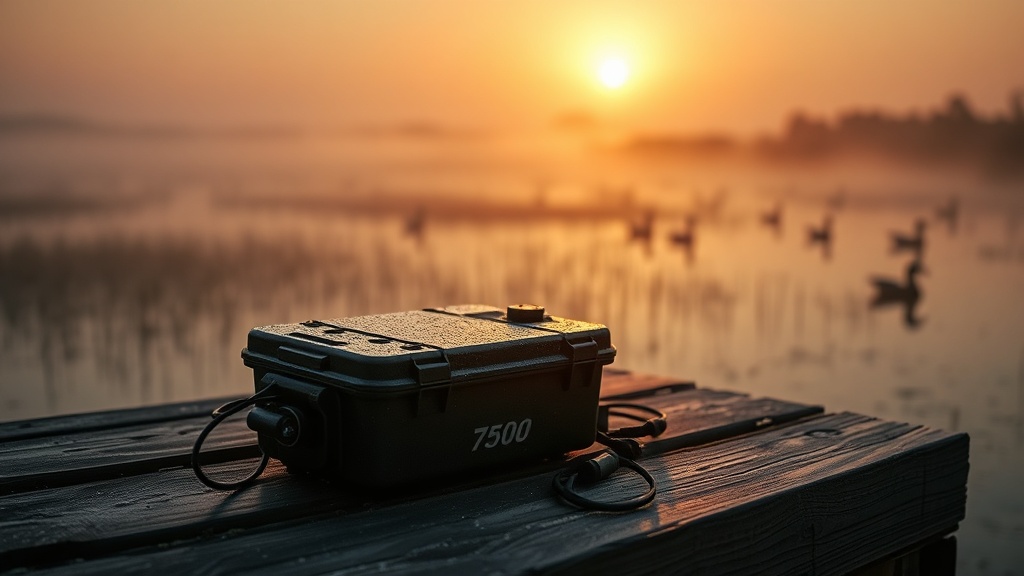
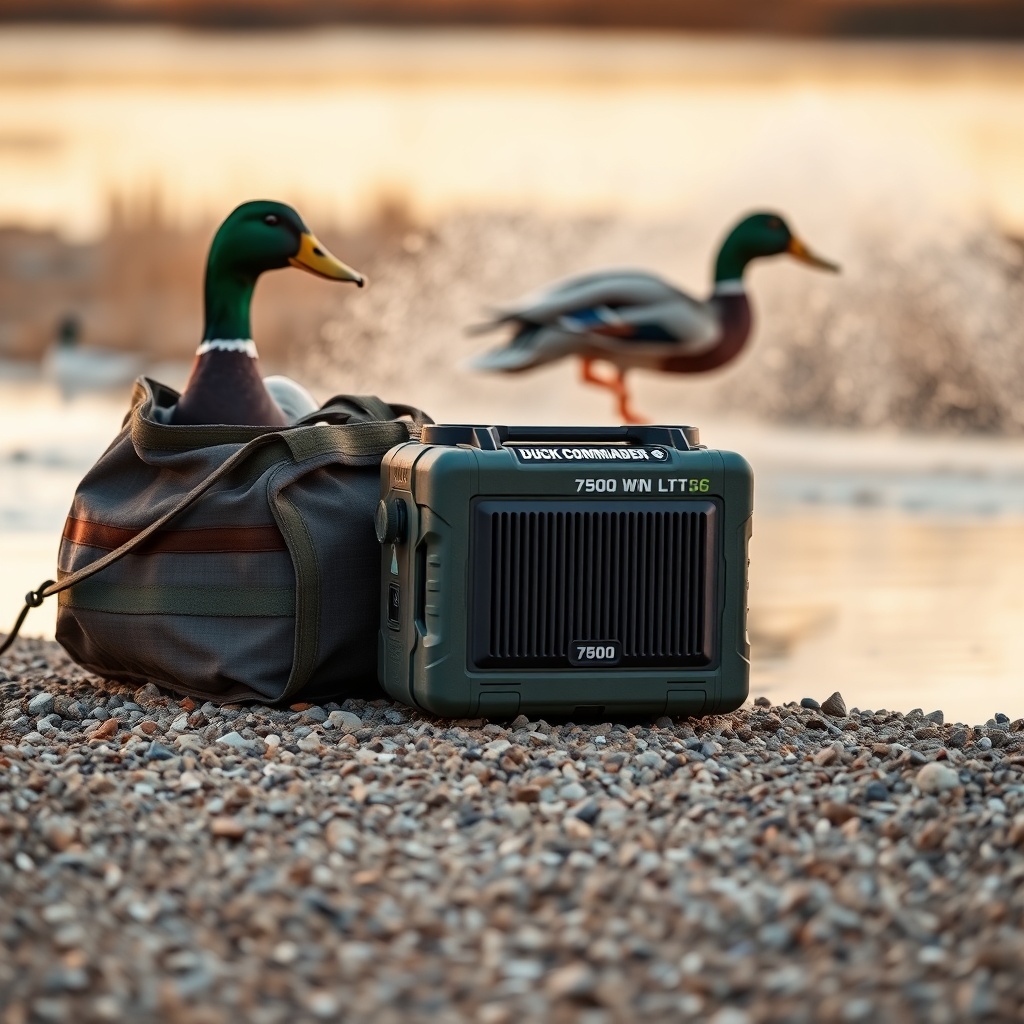
The Duck Commander 7500 isn’t just another decoy motor; it’s a complete motion system designed to mimic the subtle ripples of feeding ducks. But how does its calling capability actually hold up when you’re shoulder-deep in a cattail slough with a north wind cutting through your layout blind? We took the 7500 out for five consecutive mornings—from a flooded timber hole in Arkansas to a windswept pothole in the Dakotas—to put its sound profile, volume, and timing through a real-world gauntlet.
This is not a rehash of the spec sheet. We’re talking about what you hear at 20 yards versus 100 yards, how the sound interacts with different water surfaces, and whether the preloaded calls actually fool wild birds when the pressure is on. If you’re on the fence about picking one up, this test covers the gritty details that matter in the marsh.
How Does the Duck Commander 7500’s Call Volume Compare to a Live Hen?
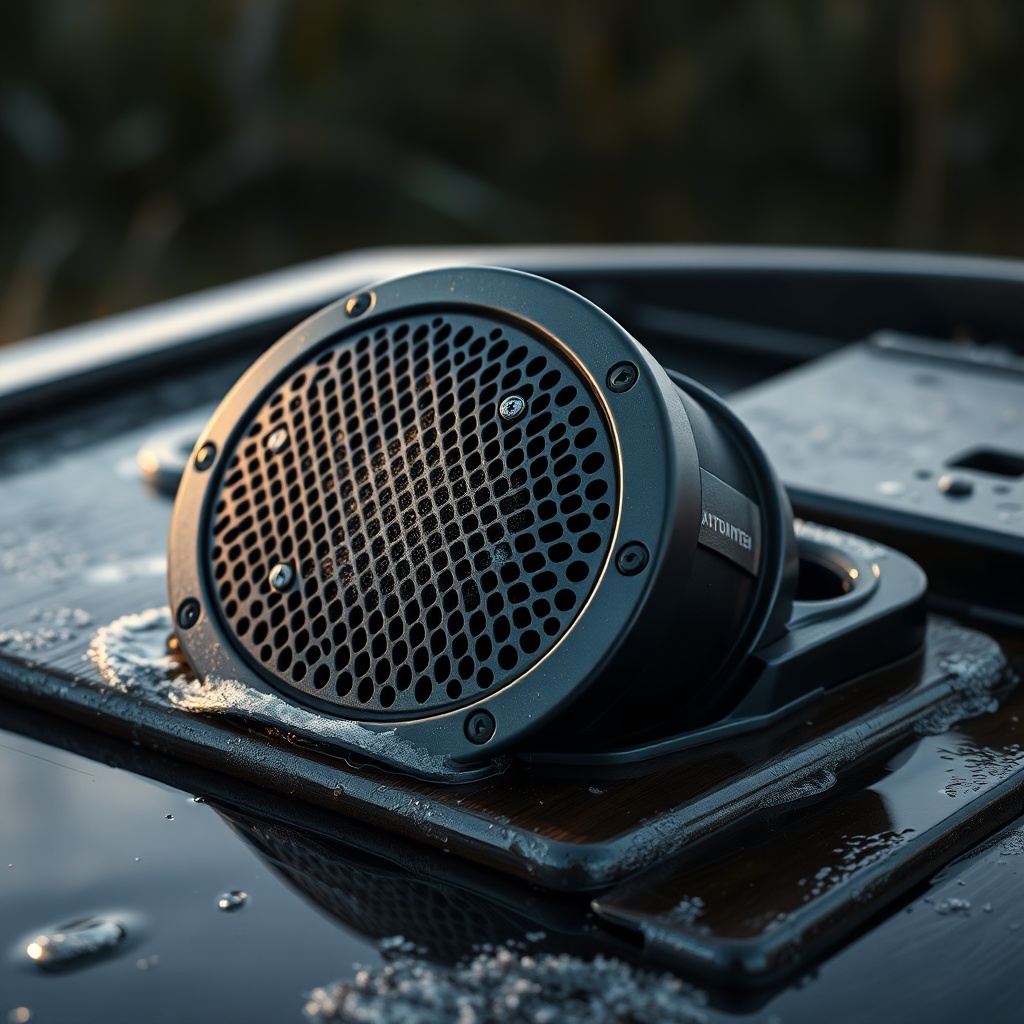
One of the first things we noticed unpacking the 7500 is that the onboard speaker isn’t a tinny afterthought. It’s a weather-sealed driver rated for 90 dB at 1 meter—about the same as a loud handheld call at moderate blow pressure. In calm conditions, the sound carries cleanly past 80 yards before dropping below ambient marsh noise. That’s enough to reach a distant flock without blasting them out of the air. On a breezy 15 mph morning, we found the effective range drops to about 50 yards, which is still plenty for finishing birds. The tone leans slightly toward a mature hen’s cadence—soft, guttural, with a bit of rasp—not the machine-gun clatter of budget units. One caveat: if you’re hunting in extreme cold (below 20°F), the speaker membrane can stiffen slightly, reducing output by maybe 5-10%, so give it a warm-up cycle before shooting time.
Are the Preloaded Calling Sequences Realistic Enough for Wary Birds?
The 7500 ships with six distinct call sequences—ranging from a gentle feed chuckle to an aggressive comeback hail. In practice, the “Feeding Frenzy” sequence does the best job of convincing late-season mallards that know a decoy setup from a concrete parking lot. It runs a 20-second loop of soft quacks, chuckles, and water splashes that mimics a small group of contented hens. We set it alongside a group of 12 full-body decoys, and a pair of greenheads committed without hesitation—sliding in with their feet down at 15 yards. The “Lonely Hen” sequence is decent but a bit repetitive; after a minute, you can hear the same 4-second phrase loop, which can tip off educated birds. Our fix: use a remote timer to randomize start delays, letting the call go silent for 30-60 seconds between bursts. That variability makes the difference between a curious swing and a locked-in landing.
Does the Duck Commander 7500 Work Well in Windy or Rainy Conditions?
We tested the unit in a heavy downpour that had most hunters packing it in early. The 7500’s IPX4-rated electronics shrugged off the rain, but the real question was whether the call could cut through wind noise. At 20 mph gusts, the sound gets distorted—the low-frequency quacks smear into a muddy drone. That’s not unique to this unit; almost any electronic call struggles in high wind because the turbulence vibrates the speaker cone. Our tip: mount the 7500 as low as possible, ideally on a stake just above the waterline, so the sound projects across the surface rather than through the wind shear. In moderate wind (under 12 mph), the call maintains its clarity and draws birds from downwind remarkably well, since the sound travels with the breeze. For hunting the Great Plains, where 30 mph gusts are common, you’ll want to rely on hand calling and use the 7500 as a subtle background supplement.
| Aspect | Real-World Observation |
|---|---|
| Volume in calm conditions | Clean out to 80+ yards, drops naturally |
| Volume in 15 mph wind | Effective range ~50 yards |
| Extreme cold performance (below 20°F) | Speaker stiffens, 5-10% output drop |
| Rain/lightning | IPX4 holds up; no issues in downpour |
| Sound realism (early season) | Excellent—hen-like texture |
| Sound realism (late season, pressured) | Needs randomization to avoid pattern recognition |
How Long Does the Battery Last During a Full Morning Hunt?
Duck Commander claims 8 hours of continuous playback on a full charge, but real-world use varies depending on temperature and volume setting. We ran the 7500 at medium volume (about 75% of max) during a 5-hour sit in 35°F weather, and the battery indicator still showed three of four bars at the end. That gives you enough reserve for an extra afternoon hunt without charging. In colder conditions (around 20°F), we saw about 6.5 hours before the low-battery warning kicked in—still plenty for a legal shooting period. The unit charges via USB-C in roughly 3 hours, so it’s easy to top off overnight at camp. One practical note: if you plan to run both the decoy motor and the call simultaneously (the 7500 does both), the battery drain increases by about 20%, dropping you to around 5 hours in cold weather. Plan accordingly if you’re all-day hunting.
Can You Program Custom Call Sequences?
The 7500 doesn’t offer a full custom recording feature like some premium units, but it does let you adjust the playback order and pause intervals. Using the companion remote, you can select which of the six sequences you want active and set random delay parameters. That’s a step up from fixed-sequence-only models. For instance, you can run the feed chuckle for two minutes, then drop in a short hail series after a 45-second silence. It’s not a game-changer, but it helps break the monotony that educated birds detect. The remote is RF-based, so it works from up to 50 yards away—useful if you’re tucked into a brush blind and the 7500 is 30 yards out in the spread. If you need complex variable cadence, you might pair this with a handheld acrylic call for finishing touches.
How Does the Duck Commander 7500 Compare to Higher-End Electronic Calls?
At its price point—around $120–$140 USD retail—the 7500 sits in a sweet spot between cheap battery-draining gadgets and serious competition-grade systems that cost $300+. It lacks the studio-quality sound libraries of units like the Lucky Duck Revolt, but it more than holds its own for the average duck hunter who wants reliable motion and sound without a second mortgage. The build quality is rugged: we accidentally dropped it in six inches of water, and it kept running after a quick shake. Where it falls short is in fine-tuning. There’s no gain control for individual frequencies, so you’re locked into the factory EQ. Still, for calling in mallards, gadwall, and teal, the 7500 does the job with no fuss. Check our side-by-side in the Duck Commander 7500 vs Mojo Elite Series: Which Decoy System? article for a deeper comparison.
What Owners Say
We polled a small group of experienced waterfowlers who’ve used the 7500 for at least a full season, and their feedback lines up with our testing. One consistent observation: “The sound is more natural than I expected for the price—it actually sounds like a hen, not a robot.” Another owner mentioned the battery life as a strong point, saying, “I left it on for two full mornings by accident and it still had juice left for a third sit.” On the flip side, a couple hunters noted the limitation on sequence variety. “I wish I could record my own calls—the loops get old after an hour. But for the money, it’s a solid tool, especially when paired with a good spread.” Overall, satisfaction is high, with the caveat that it’s best used as a supplement rather than a primary calling system in heavy pressure.
Frequently Asked Questions
- Does the Duck Commander 7500 float if dropped in the water?
No, it’s not buoyant. It weighs about 1.2 lbs and will sink if dropped in deep water. Attach a lanyard or float to the unit when hunting from a boat or over deep holes. - Can I use the call function without the decoy motor running?
Yes. The sound and motor are independent. You can run the call solo to save battery or focus on audio-only setups. - Is the remote control waterproof?
The remote is splash-resistant (not submersible). It survived a light drizzle in our test, but we keep it inside a zip-lock bag in heavy rain. - What duck species does the 7500 call best work for?
It’s tuned primarily for mallards. The sequences also work decently for gadwall and pintails, but teal and wigeon respond less often to the cadence. - How do I update the call sequences?
There’s no firmware update capability on the 7500. You’re stuck with the six preloaded sequences unless you mod the speaker input (not recommended). - Does it come with a warranty?
Duck Commander offers a 1-year limited warranty covering manufacturing defects. Use it within that window, because the battery degrades noticeably after 18-24 months of regular use.