How Often Should the Wildfowl Geek Advance Teal Whistle Be Cleaned?
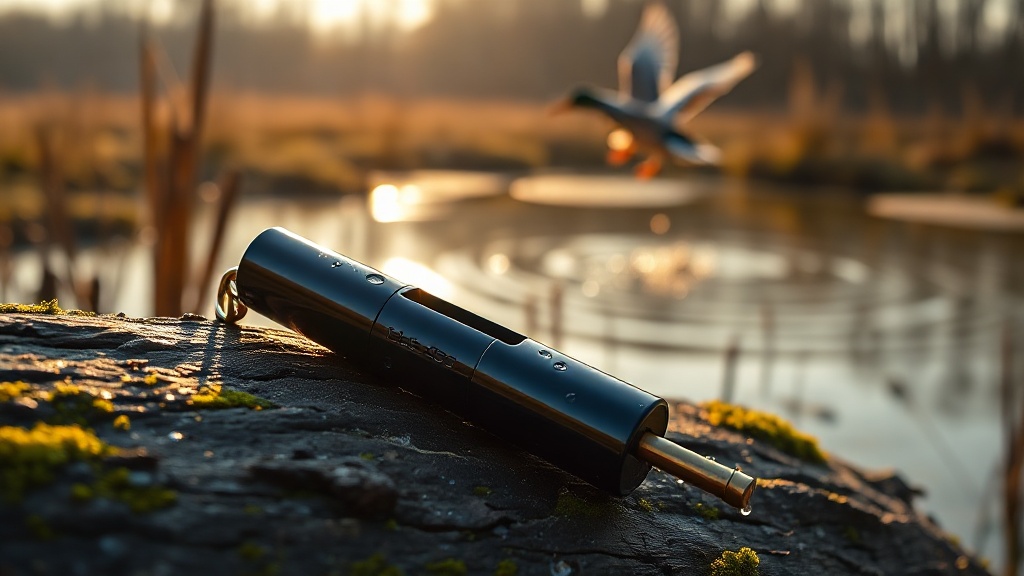
Regular cleaning is essential to maintain the crisp, high-pitched tones the Wildfowl Geek Advance Teal Whistle is known for. In the field, moisture, dust, and saliva buildup can degrade sound quality within a single hunting session. For optimal performance, a light cleaning after every use is recommended, with a deeper cleaning every three to four outings. This frequency ensures that the internal reed and airway remain unobstructed, preventing muffled calls or stuck reeds during critical moments. Neglecting this routine can lead to inconsistent pitches, making it harder to attract teal effectively.
What Tools Are Safe for Cleaning the Wildfowl Geek Advance Teal Whistle?
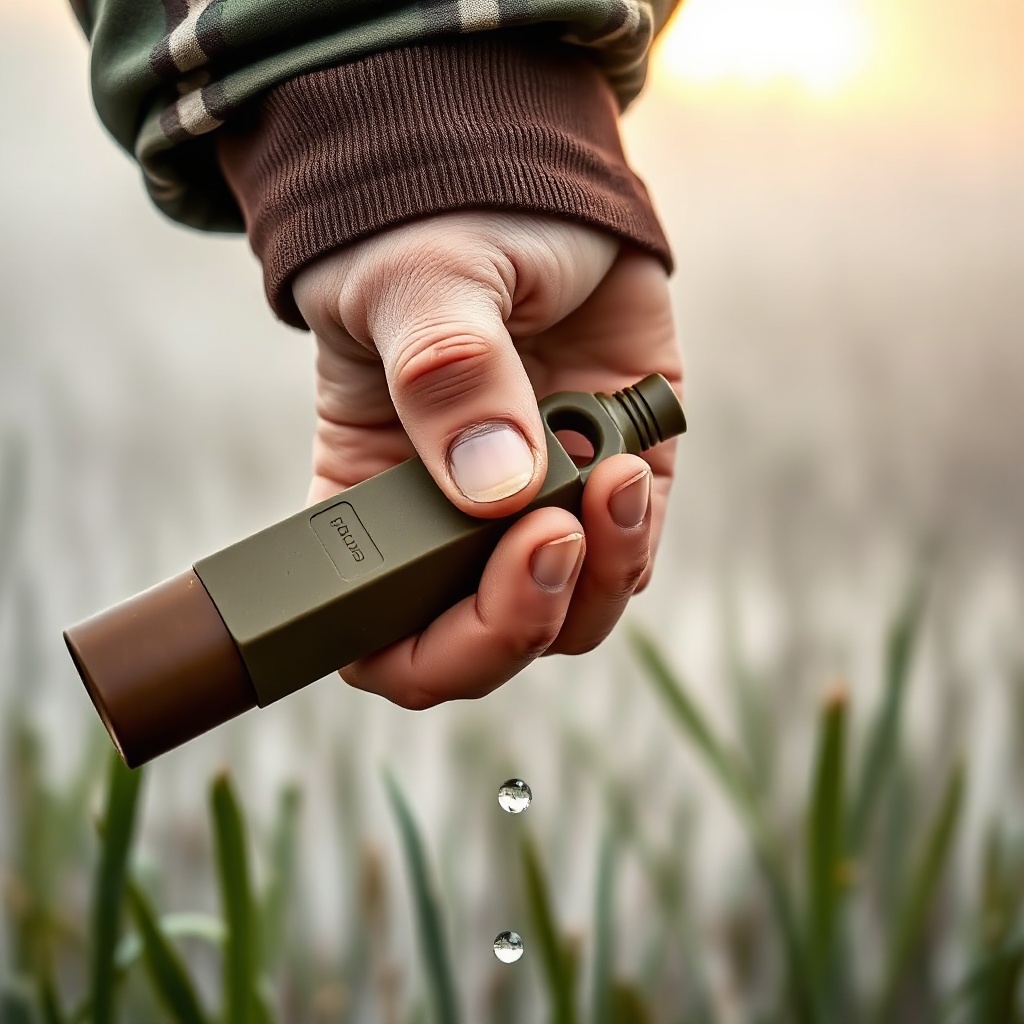
Using the right tools prevents damage to the whistle’s precision components. Avoid abrasive materials like steel wool or harsh chemical solvents, which can warp the polycarbonate barrel or corrode the brass reed. Instead, opt for a soft-bristled brush (such as a dedicated whistle cleaning rod or a clean toothbrush), warm water, and mild dish soap. A compressed air duster can also be useful for dislodging debris from tight crevices. For stubborn residue, a 50/50 solution of white vinegar and water works well, but rinse thoroughly afterward. Always dry the whistle completely before storage to prevent mold or rust.
- Soft-bristled brush: Gently removes debris without scratching.
- Warm water and mild soap: Safe for all components.
- Compressed air: Clears airway blockages efficiently.
- Microfiber cloth: For drying and polishing exterior.
Can Disassembling the Wildfowl Geek Advance Teal Whistle Improve Cleaning?
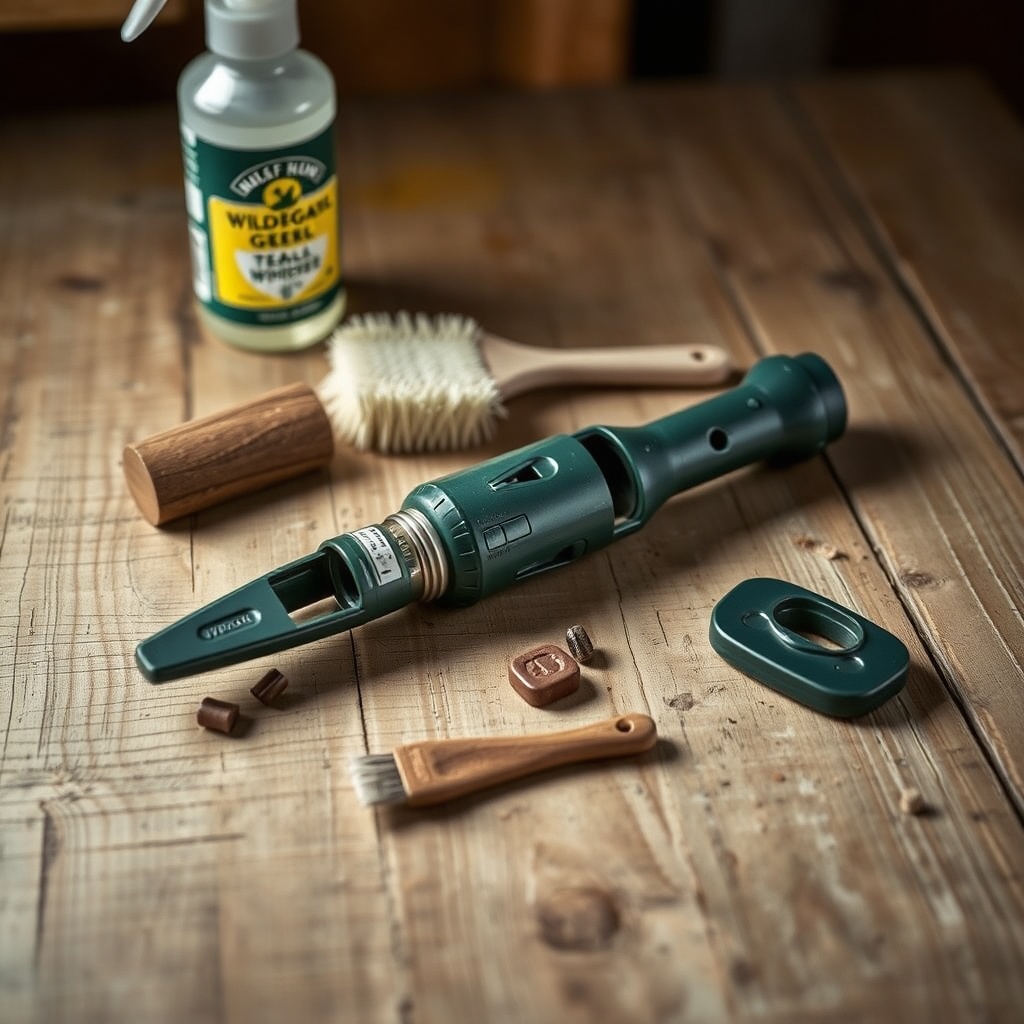
Yes, periodic disassembly allows for a thorough cleaning that surface wiping alone cannot achieve. The Wildfowl Geek Advance Teal Whistle features a modular design with a screw-off mouthpiece barrel and a removable reed plate. To disassemble, twist the barrel counterclockwise until it separates, then gently lift out the reed plate. This exposes the resonance chamber and reed seat, where compacted dust and moisture often accumulate. Clean each part individually with the tools mentioned above, paying close attention to the reed’s underside. Reassemble by aligning the reed plate and screwing the barrel back on firmly, ensuring no cross-threading. For a step-by-step visual guide, refer to the Wildfowl Geek Advance Teal Whistle: Sound Test & Field Review, which includes a detailed teardown segment.
Regular full disassembly—say, every five to six outings—extends the life of the whistle and preserves its tonal consistency. Avoid over-tightening during reassembly, as this can stress the threads and lead to air leaks.
What Are the Common Signs That a Deep Clean Is Needed?
Recognizing the symptoms of a dirty whistle is key to avoiding field failures. Hunters often report a sudden loss of volume, a raspy or wheezing tone, or the reed sticking after just a few calls. These issues typically stem from moisture trapped in the airway or debris on the reed’s edge. A comparative test can help: blow into the whistle while covering the vent hole—if the resistance feels inconsistent or air escapes through the sides, cleaning is overdue. Another sign is visible discoloration on the brass reed, indicating oxidation that can muffle sound. Below is a severity table to guide maintenance decisions based on symptoms:
| Symptom | Severity Level | Recommended Action |
|---|---|---|
| Muffled high notes | Low | Rinse with warm water and dry |
| Reed sticking intermittently | Medium | Disassemble and clean reed seat |
| Constant loss of volume | High | Full deep clean with vinegar soak |
| Air leaks from barrel joints | Critical | Check O-ring; replace if worn |
If symptoms escalate to the “Critical” level, inspection of the O-ring and barrel threads is necessary. In rare cases, a damaged O-ring can be replaced with a standard 3mm silicone ring, available at hardware stores for under £2. For more on whistle anatomy, see the Wildfowl Geek’s Ultimate Duck Hunting Gear Buying Guide 2025 for component comparisons.
How Should the Wildfowl Geek Advance Teal Whistle Be Stored After Cleaning?
Proper storage is as important as cleaning. After each cleaning, ensure the whistle is completely dry before storing to prevent bacterial growth and brass tarnishing. Store the whistle in a breathable pouch—avoid sealed plastic bags, which trap moisture. A hard case with a desiccant pack, such as silica gel, is ideal for long-term storage between seasons. Keep the whistle away from direct sunlight and extreme temperatures, as polycarbonate can warp above 50°C. For hunters who frequently wet-wade, a lanyard system that allows the whistle to hang free during movement reduces water collection in the barrel. Always store the whistle with the reed plate facing downward to allow any residual moisture to drain naturally.
For those who hunt in saltwater environments, rinse the whistle with fresh water immediately after each use to prevent salt crystallization on the reed. This simple step can double the lifespan of the reed and barrel.
What Do Owners Say About Maintaining the Wildfowl Geek Advance Teal Whistle?
Regular users on waterfowl forums praise the whistle’s durability but emphasize that maintenance is non-negotiable for peak performance. One owner on a UK wildfowling site noted: “After a muddy session on the marsh, I forgot to clean mine for three days. The next hunt, the reed got stuck mid-call—lost a flock of teal. Now I clean it in my truck with a water bottle and a brush before I even drive home.” Another commenter highlighted the ease of disassembly: “The screw-off barrel is genius. In my old whistle, I had to use a knife to pry it apart. This one unscrews in seconds, and a rinse under the tap brings it back to life.”
Some owners recommend ultrasonic cleaners for deep cleaning, but caution against leaving the reed in for more than two minutes to avoid loosening its seating. A common tip is to use a thin guitar pick or plastic spudger to gently scrape the reed plate without scratching the brass. One hunter from Louisiana shared: “I use a coffee straw to blow compressed air into the vent hole—clears out the gunk in seconds.” For more real-world feedback, the Wildfowl Geek Advance Teal Whistle: Sound Test & Field Review includes a section of user testimonials and sound recording comparisons.
Frequently Asked Questions
Can I use WD-40 on the Wildfowl Geek Advance Teal Whistle?
No. WD-40 leaves a residue that can clog the reed and attract dust. Stick to mild soap and water or white vinegar for cleaning.
How do I fix a squeaky reed after cleaning?
A squeaky reed often indicates it is misaligned. Disassemble the whistle and ensure the reed sits flat on its plate without gaps. Tighten the barrel just snug—over-tightening can cause the reed to vibrate unevenly.
Is it safe to boil the Wildfowl Geek Advance Teal Whistle for sterilization?
No, boiling can warp the polycarbonate barrel and damage the brass reed’s tempering. Use a UV sanitizer or isopropyl alcohol wipes for disinfection.
How often should I replace the O-ring?
Inspect the O-ring every 10-12 cleanings. If it appears cracked or feels brittle, replace it. With regular use, a silicone O-ring lasts about one hunting season.
Can I use a dishwasher to clean the whistle?
No, dishwashers expose the whistle to high heat and aggressive detergents that can degrade materials. Hand washing is required.
What should I do if water gets inside the whistle and freezes?
Thaw the whistle slowly at room temperature—never use a heat source like a lighter or hairdryer, which can crack the barrel. After thawing, dry thoroughly and check the reed for frost damage.