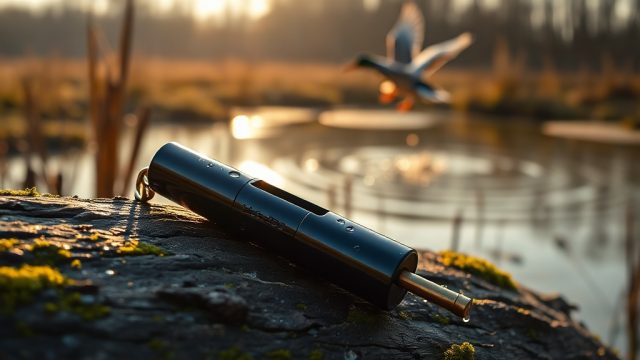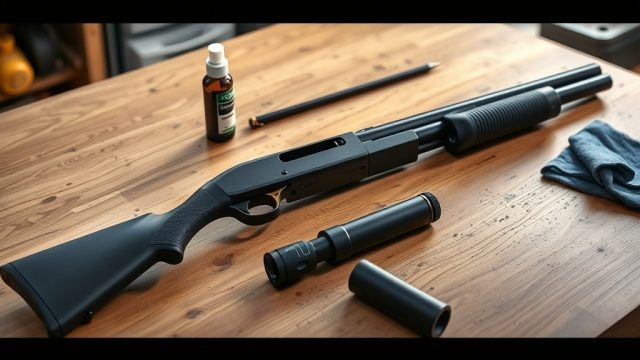

Wildfowl Geek Advance Teal Whistle DIY Repair: Fixing Common Sound Issues
For the dedicated wildfowl hunter, few tools are as essential as a reliable teal call. The Wildfowl Geek Advance Teal Whistle is a precision instrument, but after a season of heavy use, even the best gear can develop sound inconsistencies. Whether it’s a muffled rasp or a weak pitch, understanding how to diagnose and repair these issues yourself can save a trip to the store and get you back on the water. This guide focuses on troubleshooting and maintenance to restore your call’s crisp, high-pitched tone.
Why Is My Wildfowl Geek Advance Teal Whistle Producing a Weak or Wispy Sound?
A weak, airy sound is one of the most common complaints with any teal whistle. This usually indicates a lack of proper air seal or a blockage in the sound chamber. The first step in the Wildfowl Geek Advance Teal Whistle: Cleaning & Maintenance Guide is to check for debris in the reed channel. Teal calls have a narrow tone board, and a single speck of dirt or seed hull can disrupt the airflow. Use a soft brush or compressed air to clear the airway. Additionally, ensure the cork or O-ring at the reed seat is not compressed or missing; a damaged seal will allow air to escape before it can vibrate the reed.
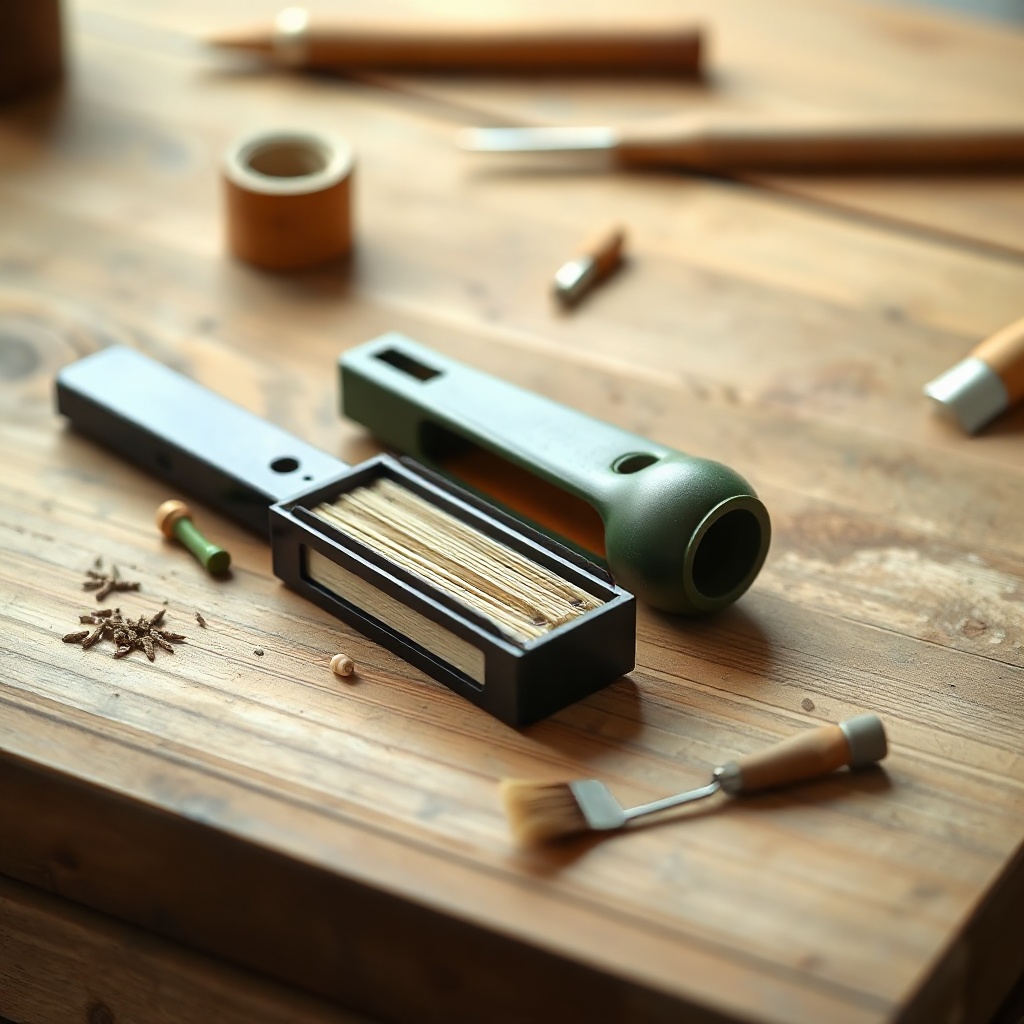
If the seal is intact but the sound remains weak, examine the reed itself. A reed that has developed a memory curve from being stored incorrectly may not sit flush against the tone board. Gently flatten the reed by pressing it between two clean pieces of glass or a flat anvil. Over time, the synthetic material in high-end calls like the Wildfowl Geek can soften; if flattening fails, a Wildfowl Geek Advance Teal Whistle: 500-Call Durability Test might indicate that a replacement reed is necessary after roughly 400–500 calls in extreme conditions.
How Do I Fix a Squeaky or Screeching Pitch on My Teal Whistle?
High-pitched squealing, more akin to a distress than a teal, often results from the reed being too loose or misaligned. A reed should have slight tension; if it wobbles side to side, the tip might be too long or the wedge (if applicable) is too thick. For the Wildfowl Geek Advance, the reed retention system uses a threaded barrel or a tension screw on newer models. Tightening this incrementally (quarter turns) will push the reed closer to the tone board, raising the pitch but smoothing the squeal. Over-tightening will choke the call, producing no sound at all. The ideal position allows a 1–2mm gap at the reed tip when at rest.
Another culprit is moisture buildup inside the call. Cold air mixing with warm breath creates condensation, which can make the reed stick or chatter. This is especially common during early morning hunts. To combat this, pre-warm the whistle barrel by cupping it in your hand for 30 seconds before blowing. If the squeal persists after adjusting the tension and drying the call, inspect the bore for any scratches from a dropped call. A rough interior surface can create unwanted harmonics. Lightly polishing the bore with 1000-grit wet/dry sandpaper on a dowel can restore smooth airflow.
What Is the Correct Way to Replace the Reed on a Wildfowl Geek Advance Teal Whistle?
Reed replacement is the most effective DIY repair for severe sound issues. Before starting, review the Wildfowl Geek Advance Teal Whistle: Sound Test & Field Review to understand the original acoustic profile. You’ll need a #2 Phillips or flathead screwdriver, a spare reed (available from Wildfowl Geek), and a pin or needle. Begin by unscrewing the back cap of the whistle body; on some models, this may require a spanner wrench. Slide out the old reed and wedge—note the orientation of the wedge’s bevel; it usually points toward the mouthpiece.
Lay the new reed in place with the tip just shy of the tone board’s edge. Insert the wedge, leaving a 1–2mm gap at the reed tip. Gently tighten the back cap until the reed is snug but not crushed. Test the call: you should hear a clear, high-pitched note without excessive air leakage. If the sound is too low, tighten the cap a fraction; if too high or choked, loosen it. Below is a quick severity guide for common issues:
| Symptom | Likely Cause | Repair Action | Severity |
|---|---|---|---|
| Weak, airy sound | Blocked tone board or worn O-ring | Clean airway; replace O-ring | Low |
| Squeal or screech | Reed tension too loose or moisture | Adjust tension screw; dry call | Medium |
| No sound at all | Reed crushed or wedge misplaced | Replace reed; re-seat wedge | High |
| Intermittent cut-out | Loose barrel threads or cracked body | Tighten with PTFE tape; inspect for cracks | Critical |
Why Does My Wildfowl Geek Whistle Sound Different After Cleaning?
It’s common for hunters to notice a change in tone after a deep clean. This often occurs because cleaning solvents break down the natural patina of oils that lubricate the reed. The Wildfowl Geek Advance Teal Whistle: Cleaning & Maintenance Guide recommends using only mild soap and water, avoiding harsh chemicals like alcohol or acetone. If you used a degreasing agent, the reed may now sit too dry and stick. Re-lubricate the reed contact points with a tiny drop of food-grade silicone grease or petroleum jelly—less than a grain of rice—applied with a toothpick. This restores the smooth vibration needed for a consistent teal chatter.
Additionally, over-scrubbing the tone board can alter its precise surface texture. The Wildfowl Geek Advance features a micro-ribbed tone board designed to enhance rasp. If you sanded or scoured it aggressively, the sound may become too clean or unnatural. In such cases, the only fix is replacement of the tone board or the entire barrel assembly, which is a more complex repair. To avoid this, always use a soft bristle brush (like a baby toothbrush) and avoid abrasive pads.
What Do Owners Say About DIY Repair for Wildfowl Geek Teal Whistles?
Experienced hunters on forums like Duck Hunters Daily praise the Wildfowl Geek Advance’s ease of disassembly. One user from Louisiana noted: “I fixed a choked sound in 10 minutes by loosening the back cap a half turn. The included wrench is a lifesaver.” Another hunter from California highlighted the importance of spare reeds: “After dropping my call in mud twice, I replaced the reed following the official guide. It sounded better than new.”
However, some owners caution against over-tightening. A common complaint is cracking the acrylic barrel by using excessive force when mounting the cap. The consensus is to hand-tighten only, and if you need more grip, use a rubber strap wrench rather than metal pliers. The community agrees that the Wildfowl Geek’s design makes it one of the most serviceable duck calls on the market, especially when compared to glued or welded competitors. One premium retailer in the UK (costing around £45 for a complete call) noted that the repair manual is often praised for its clarity.
Frequently Asked Questions
Can I use WD-40 to lubricate my Wildfowl Geek teal whistle?
No. WD-40 is a solvent that will degrade the reed material and leave a residue that attracts dirt. Use only food-grade silicone grease or dedicated call lubricant.
How often should I replace the O-ring on my whistle?
Inspect the O-ring every 20–30 hunts. Replace it immediately if you see cracks or flat spots. A standard size #006 O-ring from any hardware store fits, but Wildfowl Geek’s silicone version lasts longer.
Why does my whistle sound fine at home but bad in the field?
Cold temperatures stiffen the reed material. Pre-warm the whistle barrel in your hand before blowing. Also, wind and ambient noise can mask the sound; practice blowing at a lower volume to maintain control.
Is it worth repairing a cracked Wildfowl Geek barrel?
Typically not. A crack near the mouthpiece or tone board creates air leaks that are nearly impossible to seal. Replacement barrels cost around £15–£20 and are more cost-effective than epoxy repairs.
What type of screwdriver do I need for the back cap?
The Wildfowl Geek Advance uses a #1 Phillips screwdriver for the cap screw. Some newer models use a 2mm hex key. Always check your call’s manual to avoid stripping the head.
Can I adjust the pitch of my whistle without replacing parts?
Yes. The tension screw allows for minor pitch adjustment. Tightening raises the pitch; loosening lowers it. However, extreme adjustments may require reed replacement or wedge changes.